
Adelaide · South Australia — real AOI job, ambient motion simulated
Landscapes built like architecture.
The work — scroll through a build
Eight stages. No shortcuts.
Services — 01 to 08
What we build.
- Retaining WallsEngineered, drained retaining walls, built to the drawing
- Paving & DrivewaysPrecision-laid surfaces that stay flat under Adelaide's clay
- Landscaping & DesignDesigned landscapes, built by the people who design them
- Pergolas & DeckingOutdoor rooms built to Australian standards and Adelaide summers
- FencingBoundaries and screens, set straight and built once
- Artificial TurfA permanently perfect lawn, engineered underneath
- ConcreteSlabs, driveways and finishes with structure you can't see and quality you can
- Sheds & CarportsSupplied, engineered, slabbed and stood — one contractor, done
On the tools
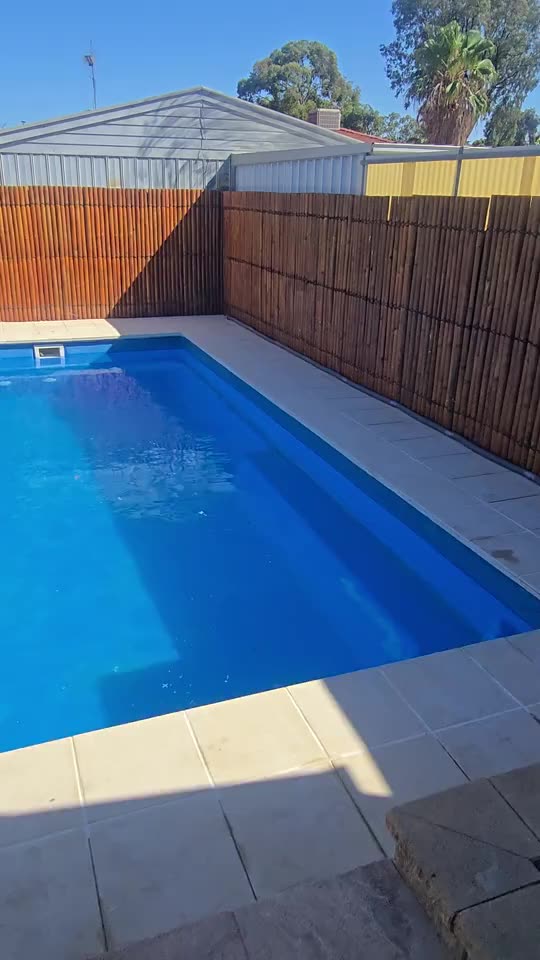
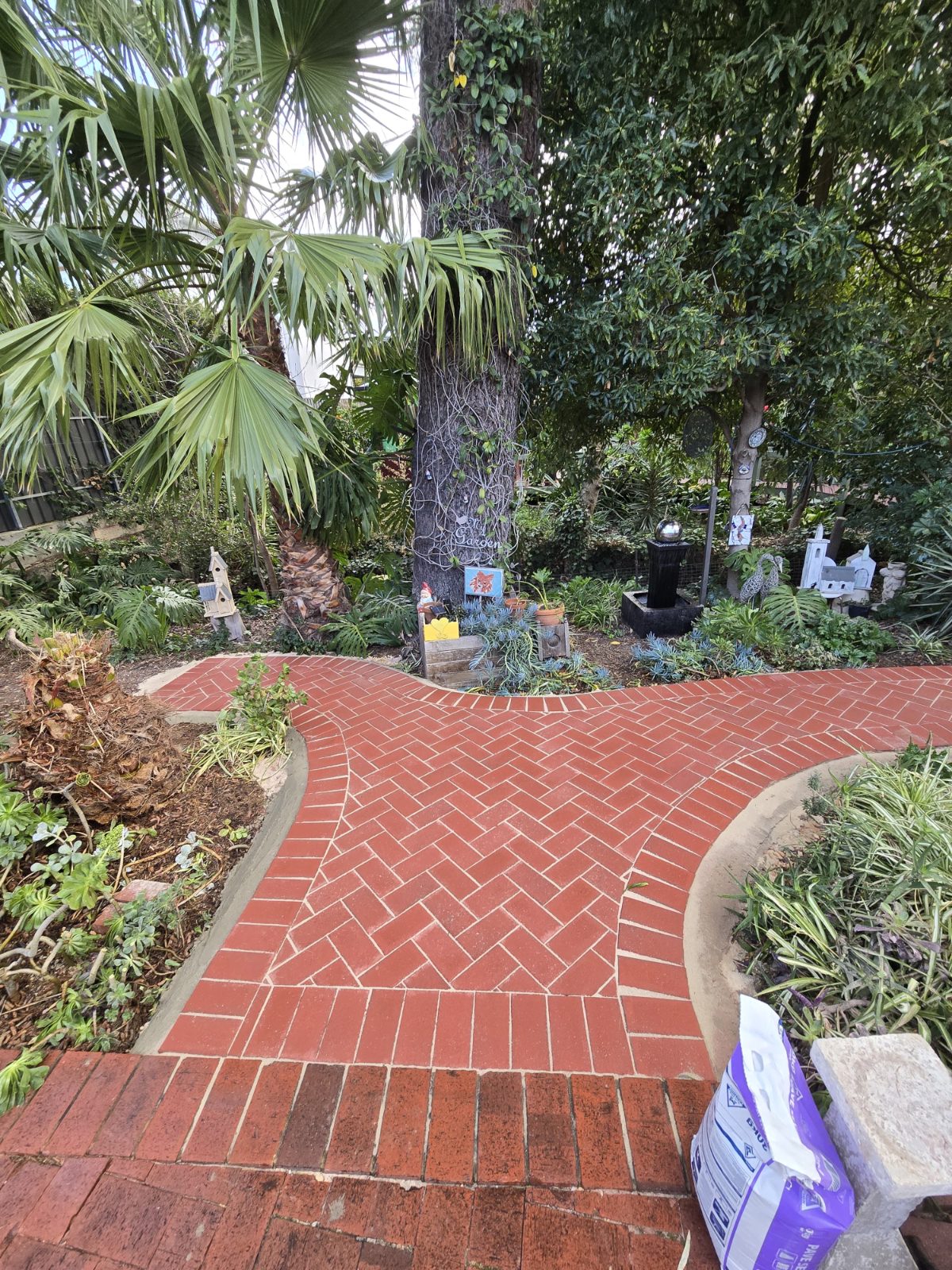
Shot on site. Not stock.
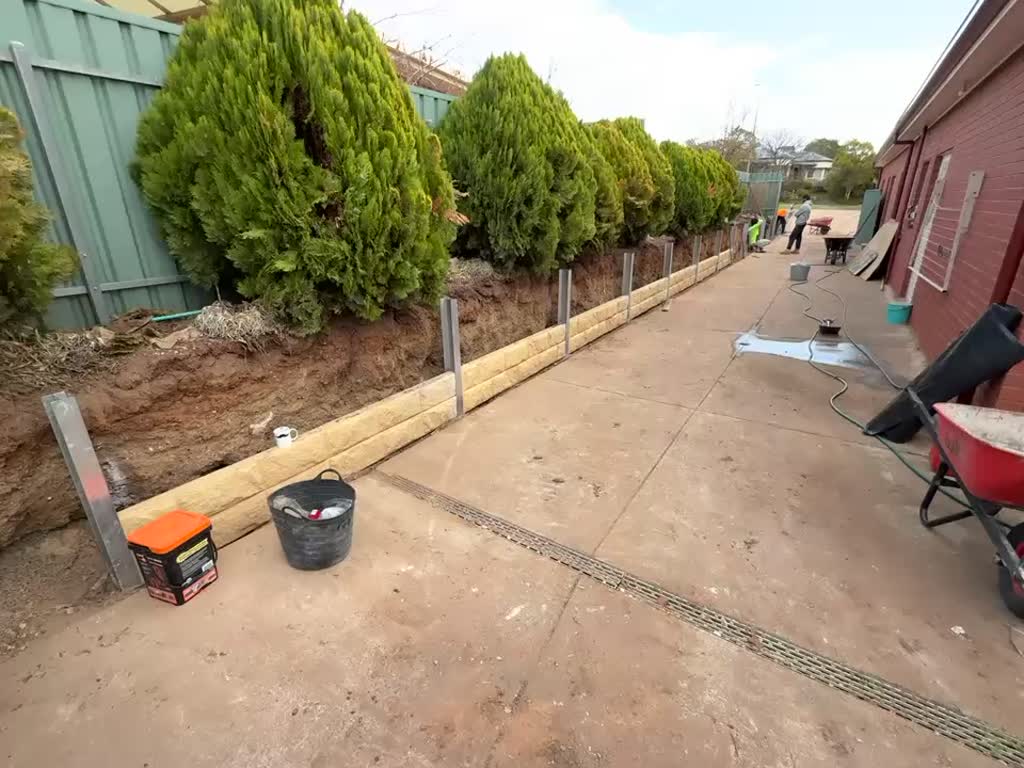
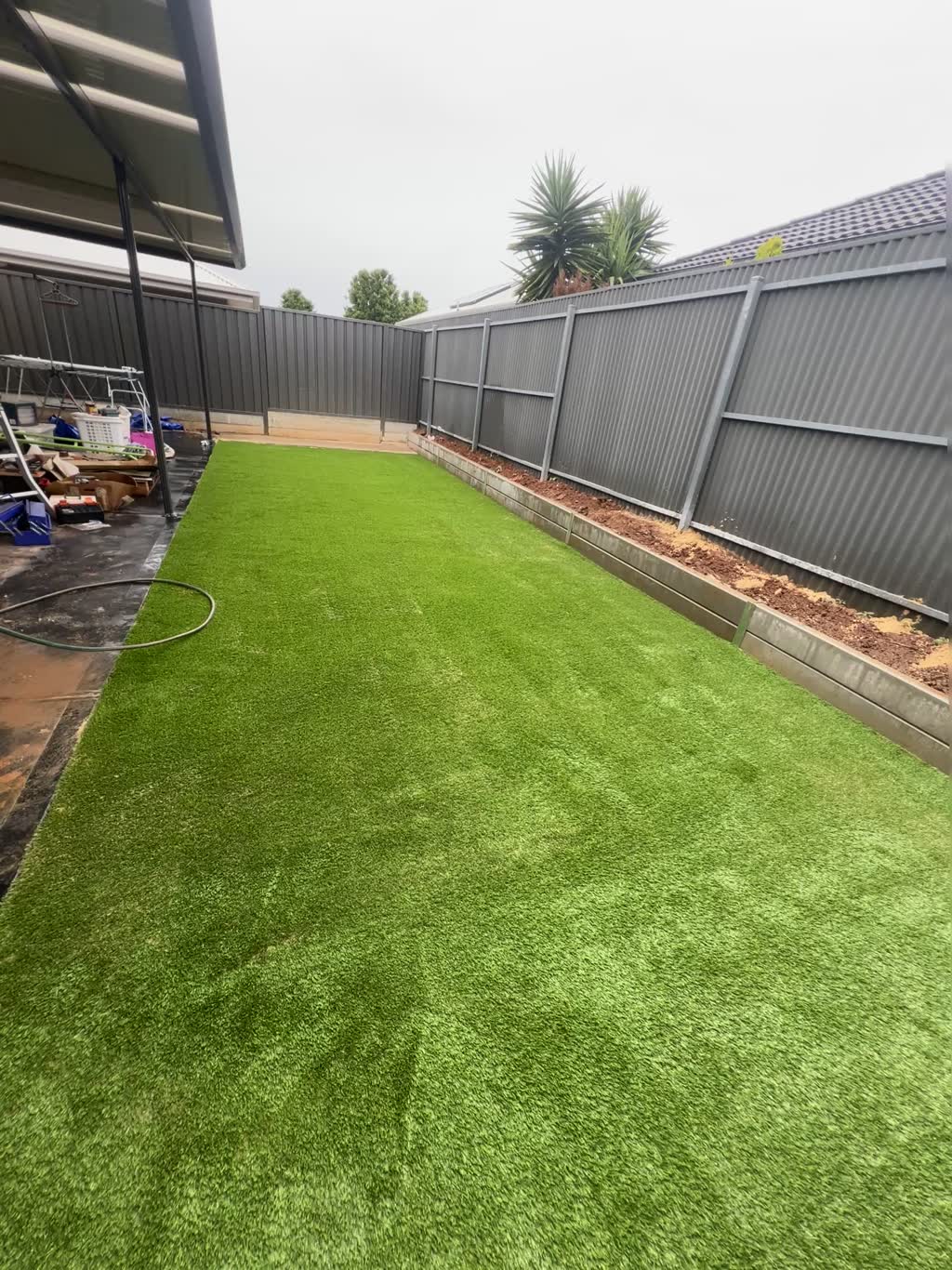
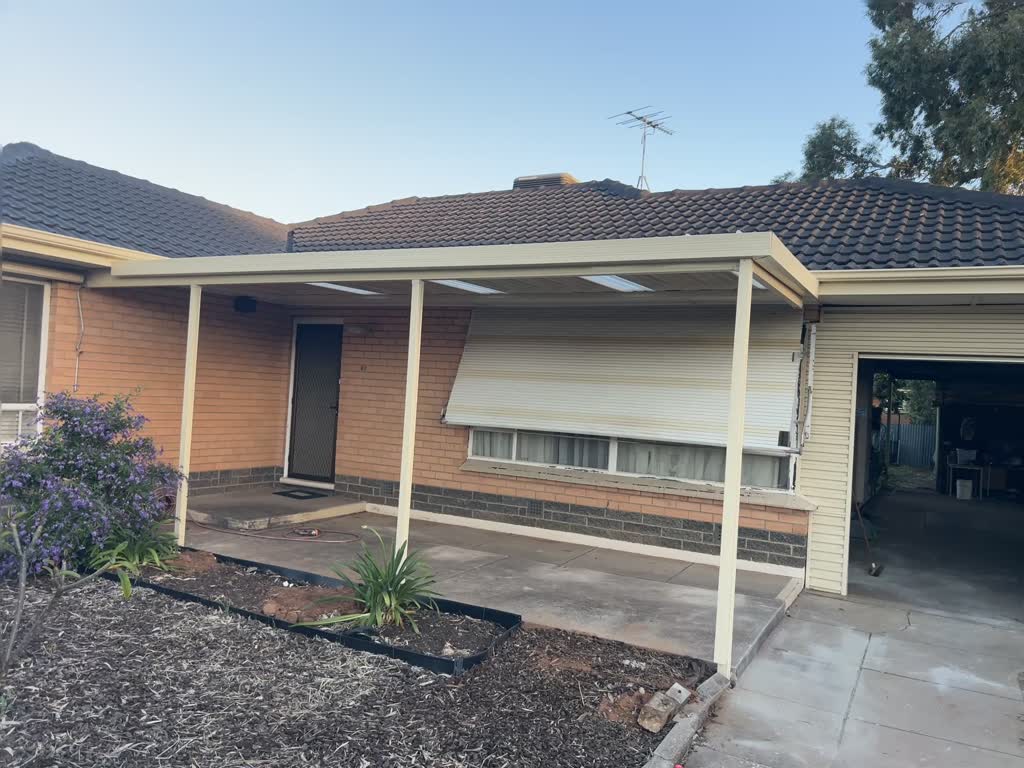
Field notes
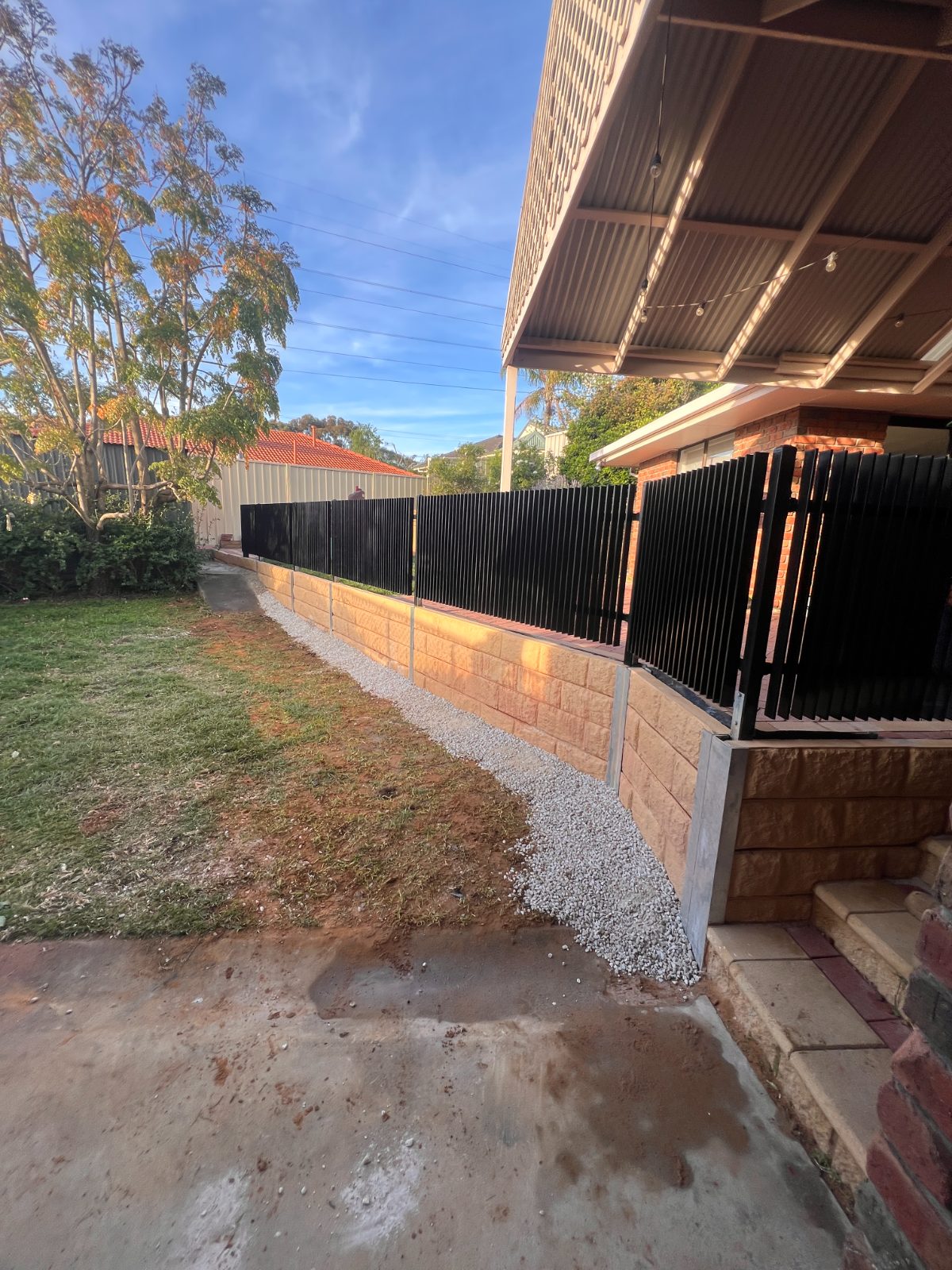
Would a premium client trust it?
Services, quoted by one team
Real job photography — zero stock, zero renders
Team from design to handover
Process
- 01
Walk the site
We measure, photograph and listen. No obligation, no theatre.
- 02
Fixed quote
Itemised, engineered where it needs to be, priced to the drawing.
- 03
Build
One crew, survey-set levels, drainage first. You get progress photos.
- 04
Handover
Walk-through together. It's done when you say it's done.
What we do
One team across the whole yard.
Most Adelaide landscaping jobs aren't one trade — they're several, stacked on each other. A driveway needs the ground cut and levelled before a base goes down. A retaining wall needs drainage behind it before the soil goes back. A garden needs levels resolved before anything is measured, planted or built over. When those trades are split across four contractors, the seams show: the paver blames the excavator, the excavator blames the plumber, and nobody owns the finished result.
We run the whole sequence under one contract. Excavation and site clearing, earthworks and drainage, retaining walls, paving and driveways, concrete, pergolas and decking, fencing, sheds and carports, artificial turf, and full garden design and construction — designed, set out, built and handed over by the same crew. That single line of responsibility is the difference between a yard that works as a whole and a collection of parts that almost fit.
It's also why we lead with the structural work. Levels, falls and drainage get resolved first, because everything built afterwards inherits those decisions — for better or worse. Get the engineering right at the bottom and the finish looks after itself. Skip it and no amount of good planting or expensive paving will hide the movement in ten years' time.
The work suits Adelaide's ground specifically. Our soils are broadly reactive clays that swell through winter and shrink hard over summer, with limestone under the eastern and foothill suburbs and sand toward the coast. That single fact drives most of the engineering calls here: deeper excavation and heavier compaction under driveways, geofabric separation so bases can't pump into wet clay, ag-drains behind walls, and falls set to move water deliberately rather than let it find its own way.
Ground changes across the metro area, and so does the right answer. A block on the Burnside cross-fall, a courtyard behind a Unley villa reached through a single side gate, a sandy front yard at Henley Beach, a garden hemmed in by Hills rock and rain — each needs different machinery, base depths and detail. That's why we quote to your site rather than from a rate card, and why we tell you honestly when a job sits outside what we'd do well.
The result is a landscape built like the rest of the house: set out, engineered, and finished by people who intend it to still be right a decade from now. No stock photography, no subcontracted mystery crew — the same team from the first site walk to the final handover.
Pricing
How landscaping pricing actually works.
Outsiders to the trade assume there's a square-metre rate that answers the question — so much a metre for paving, so much for turf. There isn't, and any quoting that pretends otherwise is guessing. The number that matters is what's under the surface, and that can only be established by walking the site, measuring levels and understanding how the ground behaves.
Four things drive almost every quote. The first is ground and levels: how much earth has to move, how deep the excavation goes, and whether the block falls enough to need stepping or retaining. The second is base preparation: a pedestrian path and a driveway taking two tonnes daily need wildly different depths of compacted base and, over Adelaide clay, different drainage. The third is access: whether we can bring machinery through a gate or around a corner, or whether everything is barrowed by hand. The fourth is approval and engineering: whether a retaining wall, deck or shed needs documentation before it can legally be built.
Because of that, we quote fixed prices after a site inspection, itemised to the job — not a rate-per-metre figure that drifts once work begins. Rises in material or unexpected ground are rare but possible, and we'd rather flag them before they happen than surprise you with them. When a job is genuinely bookable online, the price is locked before we arrive, and the scope you book is the scope we deliver.
What moves a quote
- Ground — reactive clay, rock, fill or sand change excavation and compaction.
- Levels — fall and cross-fall decide whether retaining, terracing and steps are needed.
- Base depth — driveways and vehicle loads need far more preparation than paths.
- Access — a clear gate means machinery; a tight one means hand work.
- Approvals — engineering and council documentation where the structure requires it.
Why AOI
Accountable, or it isn't finished.
The clearest way to judge a landscaper is to ask who you'll phone if something isn't right a year later. If the answer is a builder who subcontracted the excavator who subcontracted the paver, you already know how that ends. We keep the work in-house, keep the same crew on the job from set-out to handover, and keep the responsibility in one place — ours.
That shows up in how the work is approached. Levels are set and checked rather than eyeballed. Drainage is designed and fall-tested before it's buried. Base depths are built to the load, not to the minimum that survives a fortnight. Structures are engineered where they need to be and documented where the law requires it. None of that is glamorous, and it's exactly the part of the job you can't see once it's finished.
We're based in Adelaide and work across the metropolitan area and into the Hills, within roughly 60 km of the city — from the coast, through the inner and middle suburbs, out to the foothills. We know the ground across that whole circle: the reactive flats, the limestone and cross-fall of the east, the coastal sand, and the rock and heavier rain of the Hills.
The proof we lean on is the work itself. Every photo on this site is a real AOI job, on real Adelaide ground — no stock libraries, no renders pretending to be finished projects. Scroll back through any stage and you're looking at how the job actually went together, which is the fairest way for you to judge whether we're the right fit before you ever pick up the phone.
Where we work
- Eastern suburbs
- Burnside · Norwood · Dulwich · Glen Osmond · Magill · Rostrevor · St Peters · Toorak Gardens · Athelstone
- Inner south
- Unley · Colonel Light Gardens · Goodwood · Hyde Park · Malvern · Mitcham
- Coastal
- Glenelg · Henley Beach · Brighton · Hallett Cove · Seacliff
- Adelaide Hills
- Stirling · Aldgate · Blackwood
- North
- Prospect · Mawson Lakes
- North-east
- Golden Grove · Tea Tree Gully · Modbury Heights
- West
- West Lakes · Fulham Gardens
- City fringe
- Walkerville · North Adelaide
Areas
Where we build.
Questions
Landscaping in Adelaide — answered.
What does a landscaping project cost in Adelaide?
It depends entirely on scope and ground, which is why we quote fixed prices after a site inspection rather than publishing a blanket rate. The biggest cost drivers are earthworks and levels, the depth of base preparation under paving or turf, access for machinery, and whether drainage or structural engineering is required. Measure the site once, price it properly, and the number holds.
How long does a landscaping build take?
A single element — a deck, a paved area, a retaining wall — usually runs from a few weeks once we're on site. A full yard rebuild that moves ground, builds structures and plants out takes longer, and anything that needs development approval adds roughly four to eight weeks before work can start. We sequence the trades so the site keeps moving and you get progress updates through the build.
Do I need council approval for landscaping work in SA?
Sometimes. In South Australia a retaining wall that retains more than a metre, a deck over 500 mm high, or most sheds and roofed structures generally need development approval; smaller, lower elements often don't. The rules vary by council and zone, so we confirm exactly what applies to your address during quoting and prepare the documentation when it's required.
Which Adelaide suburbs do you work in?
We work across the Adelaide metropolitan area and into the Hills, within about 60 km of the city — from the coastal suburbs, through the inner ring, out to the foothills. The ground changes across that circle, and so does the engineering, so we quote to your site rather than a template. If you're near the edge of the radius, ask and we'll tell you honestly whether we can service the site well.
Can you fix drainage as part of the landscaping?
Yes, and we usually should. Water that can't get away is the most common reason Adelaide landscaping fails — it drowns lawns, undermines retaining walls and works its way into footings. We resolve levels and stormwater first, then build surfaces, structures and planting over a site that sheds water by design rather than by luck.